


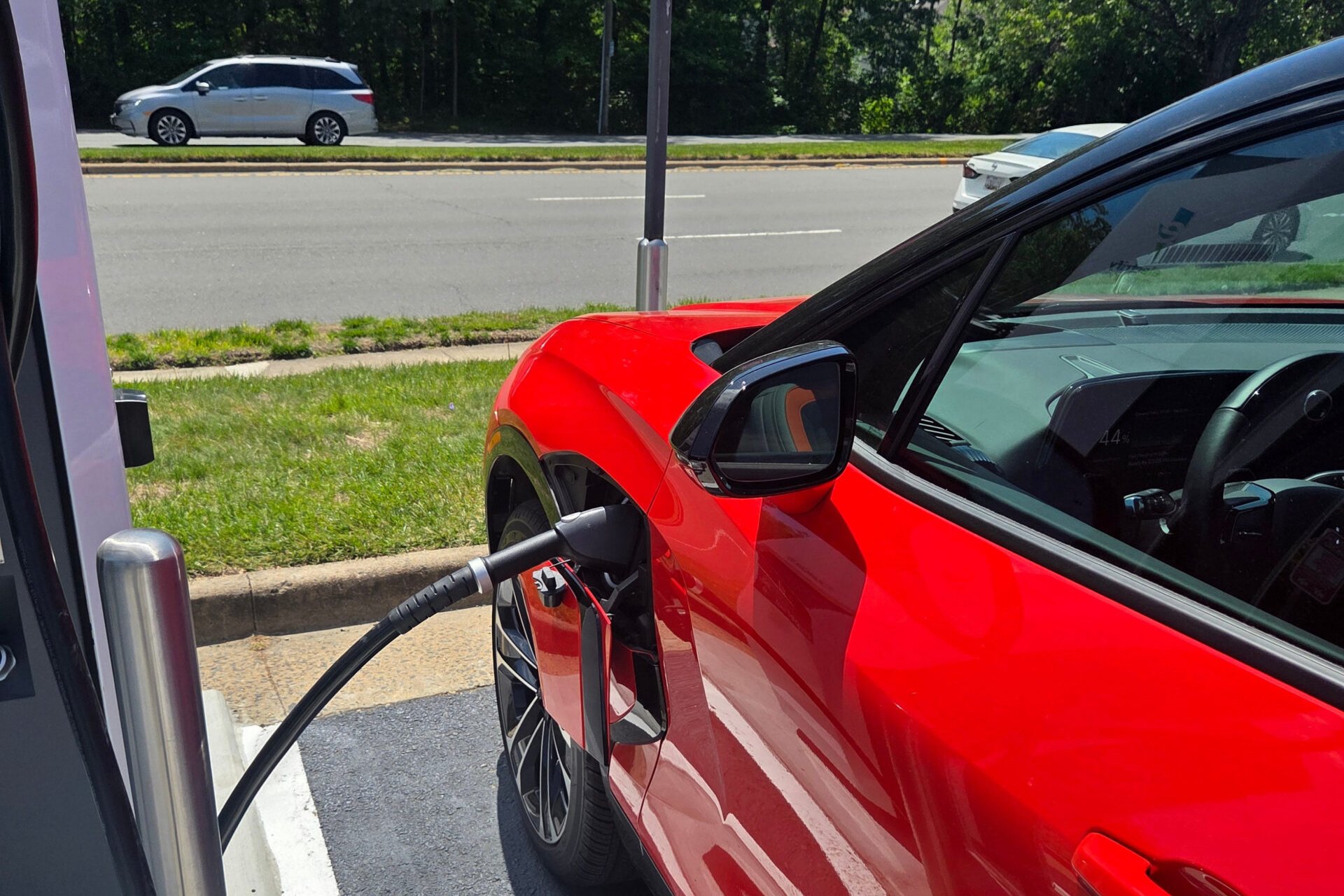

Rising gas prices are pushing some Americans to opt for electric vehicles when they are renting cars.
Car Rental Gateway, an online car rental platform headquartered in London that also operates in the United States, reported seeing a 16% increase in electric and hybrid car rentals in March.
Additionally, Hertz spokeswoman Lauren Luster told USA TODAY that the company saw a nearly 25% increase in requests for EV reservations from rideshare drivers from February to March.
The findings come as gas prices rose to an average of $4.55 per gallon on May 7, up from $4.30 a week earlier on April 30, according to AAA.
“GasBuddy live ticking data showing the national average now at $4.57/gal while diesel is at $5.67/gal- both of these may represent a short-term top as I expect prices could start declining into the weekend as oil falls- whether or not it sticks- watch US/Iran talks,” Patrick De Haan, head of petroleum analysis at GasBuddy, wrote in an X post.
The USA TODAY Cars Team took a look at the pros and cons of renting EVs.
Pros of Renting an EV
The website CarRentalLab.com lists the following pros for renting an EV:
- Cost Savings: EVs often have lower operational costs compared to traditional gasoline cars. They can also be offered at discounts at times as rental companies try to incentivize customers to opt for under-utilized vehicles in their fleets. “For instance, charging an EV can be significantly cheaper than filling up a gas tank,” the website said. “Some rental companies, like Hertz and Enterprise, even offer electric vehicles at competitive rates, making it easier to save money on your trip.”
- Environmental Impact: Choosing an electric car means you’re helping to reduce greenhouse gas emissions. “This is especially relevant in regions where the electricity grid is powered by renewable energy sources,” the website said. “For example, in California, many EVs are charged using solar or wind energy, making your rental even more eco-friendly.”
- Innovative Technology: Electric cars are usually equipped with the latest technology, including advanced safety features, infotainment systems, and autonomous driving capabilities. “Renting a Tesla Model 3 or a Nissan Leaf, for example, gives you a chance to experience cutting-edge automotive advancements,” the website said.
- Quiet and Smooth Ride: The driving experience in an EV is usually quieter and smoother than in traditional vehicles. “This can enhance your travel experience, particularly on long journeys or scenic drives,” the website said.
Cons of Renting an EV
TravelersUnited, a nonprofit organization that lobbies for travelers in all modes of transportation, identified the following challenges that can come with renting an EV:
- Hidden EV rental fees, like “idle” fees: “The base rental fee is just the start,” the group said. “There are fees for EVs that might not be obvious. For gasoline cars, rental car companies require the gas tank to be complete when you return the car to the company. EV rentals have a similar requirement.”
- Unfamiliarity with the EV driving experience: “If you don’t drive an EV regularly, you need to learn about the specific EV you’ll be renting, not just EVs,” the group said. “You need to know how to turn it on, lock it, use the door handles, charge it at different types of charging stations, what charge adapters it has, etc.” TravelersUnited strongly suggested taking a test drive before renting an EV if you’ve never driven one.
- Some EVs don’t come with spare tires or donuts: TravelersUnited always reminds gasoline-powered car renters to ensure their car has a spare tire or “donut” spare, plus jack — but some EVs don’t come with spares, including many Teslas. “If your rental doesn’t come with a spare, you must find out what you need to do in case of a flat,” the group said.
- Needing extra time for charging, or having trouble finding one: Charging an EV takes much longer than filling up a traditional car’s gas tank, even with fast chargers. Additionally, while the number of public chargers has increased in recent years, there are still areas of the country where they are not readily accessible. “When you pick up your EV, if the battery isn’t fully charged and you have a long drive ahead, you have a critical decision to make,” TravelersUnited said. “You’ll have to decide if you have time to charge the EV along the way, assuming there are convenient charging stations along your route, or you should ask for another fully charged car.”
This article originally appeared on USA TODAY. Reporting by Keith Laing / USA TODAY Network via Reuters Connect.
Read the full article here