


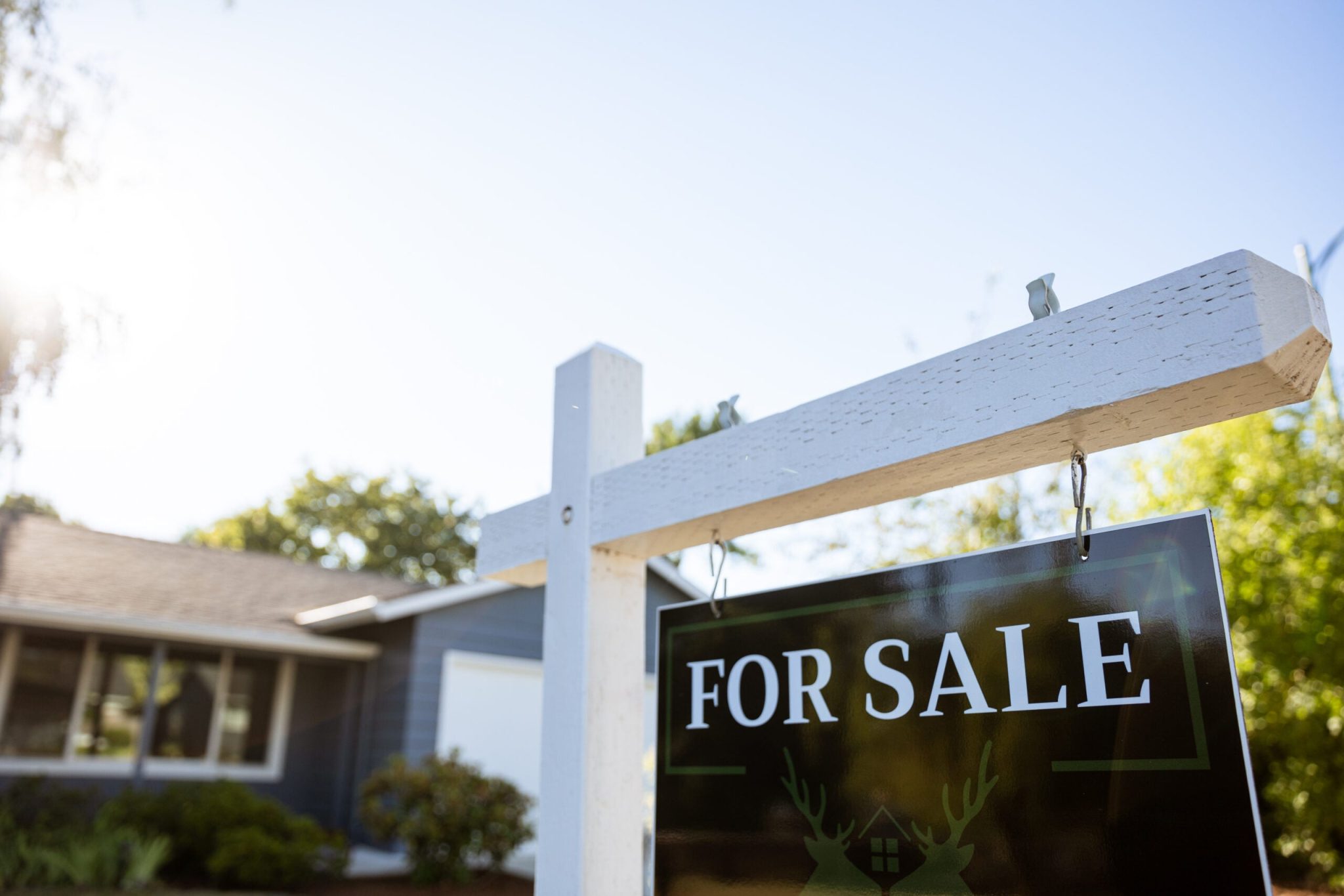

The 2026 spring homebuying season was supposed to mark the end of the doldrums for the U.S. housing market. Instead, American homebuyers are still sitting on their hands.
Home sales dropped over the first third of the year, according to the National Association of Realtors (NAR), falling nearly every month so far in 2026 when compared with the same period last year. In January, home sales fell 4.4% versus January 2025. In February, sales fell by 1.4% compared to a year ago. In March, sales were off 1% from the previous year. And in April, volumes were unchanged from April 2025.
That’s in sharp contrast to what housing experts had predicted late last year. NAR, the largest trade association of real estate professionals in the United States, predicted that sales would increase by 14% this year. Redfin, an online real estate brokerage, said that housing affordability would improve so much that 2026 would become known as the year of the “Great Housing Reset.”
“The spring housing market has been sluggish, with both buyers and sellers waiting for more certainty,” says Lisa Sturtevant, chief economist at Bright MLS, a large listing service in the mid-Atlantic region.
After the slow start to the year, a double-digit jump in sales will materialize only if the housing market experiences a robust rebound in sales in the coming months. But with mortgage rates still high, home prices setting new records and oil prices soaring, that scenario is seeming increasingly unlikely.
Homeownership, a central aspiration for the majority of Americans and a crucial wealth-building tool, continues to be out of reach for many. When home sales lag – they’ve been in a “housing recession” for years now – Americans become less able to move, and sales of related products, such as furniture and appliances, can sag.
Here are some of the reasons home sales continue to disappoint:
Mortgage rates refuse to fall
Rosy outlooks for 2026 were based in part on an expectation that mortgage rates would continue to decline – ideally below 6%.
“Lower mortgage rates and larger inventory will attract buyers back to the market in 2026,” NAR Chief Economist Lawrence Yun said last year.
For a time, it seemed as if that forecast could play out. By mid-February, the average rate on a 30-year mortgage had fallen to 6.09%, the lowest level since 2024, according to Bankrate’s weekly national survey of lenders.
Then came the war in Iran and a surge in oil prices. Mortgage rates moved up – they averaged 6.46% as of Bankrate’s most recent survey.
“Home sales in America jump when the 30-year mortgage rate falls below 6.3% and they slow down or halt when the rate goes above 6.3%,” said Heather Long, chief economist at Navy Federal Credit Union.
And industry experts do not expect mortgage rates to dip back below 6% in the coming months.
“The expectation of rates below 6% this spring has disappeared and buyers and sellers likely will face rates in the mid-6% range into the summer,” Sturtevant says.
The job market feels uncertain
U.S. unemployment held at 4.3% in April, and employers created 115,000 jobs for the month, the Labor Department reported. That’s good but not great, housing economists say. A strong job market makes homebuyers and sellers feel more confident about taking on a large financial commitment.
“The job market is holding together reasonably well, but it is not as strong as the April headline would suggest,” says Mike Frattantoni, chief economist at the Mortgage Bankers Association.
For example, average hourly earnings in April were up 3.6% from a year ago, the Labor Department said. While that’s not bad, American workers were collecting raises north of 4% in 2023, and above 5% in 2022. True, inflation has calmed since then, but there’s an overall sense that workers are struggling to keep up.
“Employment increased in April, but more people are working fewer hours and earning less in real terms — that’s not a household that goes shopping for a house,” says Zillow Senior Economist Orphe Divounguy. “The labor market isn’t falling apart, but it isn’t giving households the confidence or financial cushion they need to buy or move. The rise in involuntary part-time work is the tell. Weakness shows up in hours and income before it ever shows up in the unemployment rate.”
The economic picture is rattling potential buyers
At the beginning of this year, the U.S. economy seemed to be gradually slowing. Then came a conflict with Iran that sent oil prices soaring. Energy prices have an outsized effect on both the consumer price index and on consumer confidence.
“If things aren’t looking good, it’s very easy for people to say, ‘Why don’t I hold off and wait to see if things calm down in a year?’” says Brad Case, chief economist at Homes.com. “The really unfortunate thing about that is the timing – it looked like we were lining up for a really nice spring homebuying season, and then mortgage rates went up.”
In one example, the University of Michigan’s consumer sentiment index for May 2026 was down nearly 8% from a year ago, while the “Current Economic Conditions” reading plunged 19% from a year ago.
“Consumers continue to feel buffeted by cost pressures, led by soaring prices at the pump,” said the University of Michigan’s Joanne Hsu. “Middle East developments are unlikely to meaningfully boost sentiment until supply disruptions have been fully resolved and energy prices fall.”
Home prices keep setting records
The median price of homes sold in April rose to $417,700, up 0.9% from last year and the highest level on record. The reality of still-high home prices is discouraging first-time buyers – they made up 33% of buyers in April, down from 34% a year ago.
For buyers in many parts of the country, that’s creating sticker shock and affordability challenges – which have been intensified by higher mortgage rates.
“Affordability is what it’s all about,” Case says. “When you’re thinking about buying, you run your own numbers to make them work. When mortgage interest rates are higher, they don’t work as well as they would have otherwise.”
The lock-in effect remains in effect
The pandemic brought record-low mortgage rates, and millions of Americans were able to grab 30-year mortgage rates in the 3% range. That has created a logjam in the housing market – few Americans are willing to trade their 3% mortgages for loans at twice that rate, so typical home sales just aren’t taking place.
“With rates inching back up, we are going to see new listing activity driven by those who need to move out of necessity – e.g. family or job changes – while discretionary or optional moves will be put off, particularly by those homeowners currently holding sub-4% mortgage rates,” Sturtevant says.
And if American homeowners aren’t selling, that means there are fewer choices for those looking to buy.
According to NAR, there were 1.47 million homes for sale at the end of April, up just 1.4% from a year ago. “We need 30% more inventory,” Yun says.
Why we ask for feedback
Your feedback helps us improve our content and services. It takes less than a minute to
complete.
Your responses are anonymous and will only be used for improving our website.
Help us improve our content
Read the full article here