


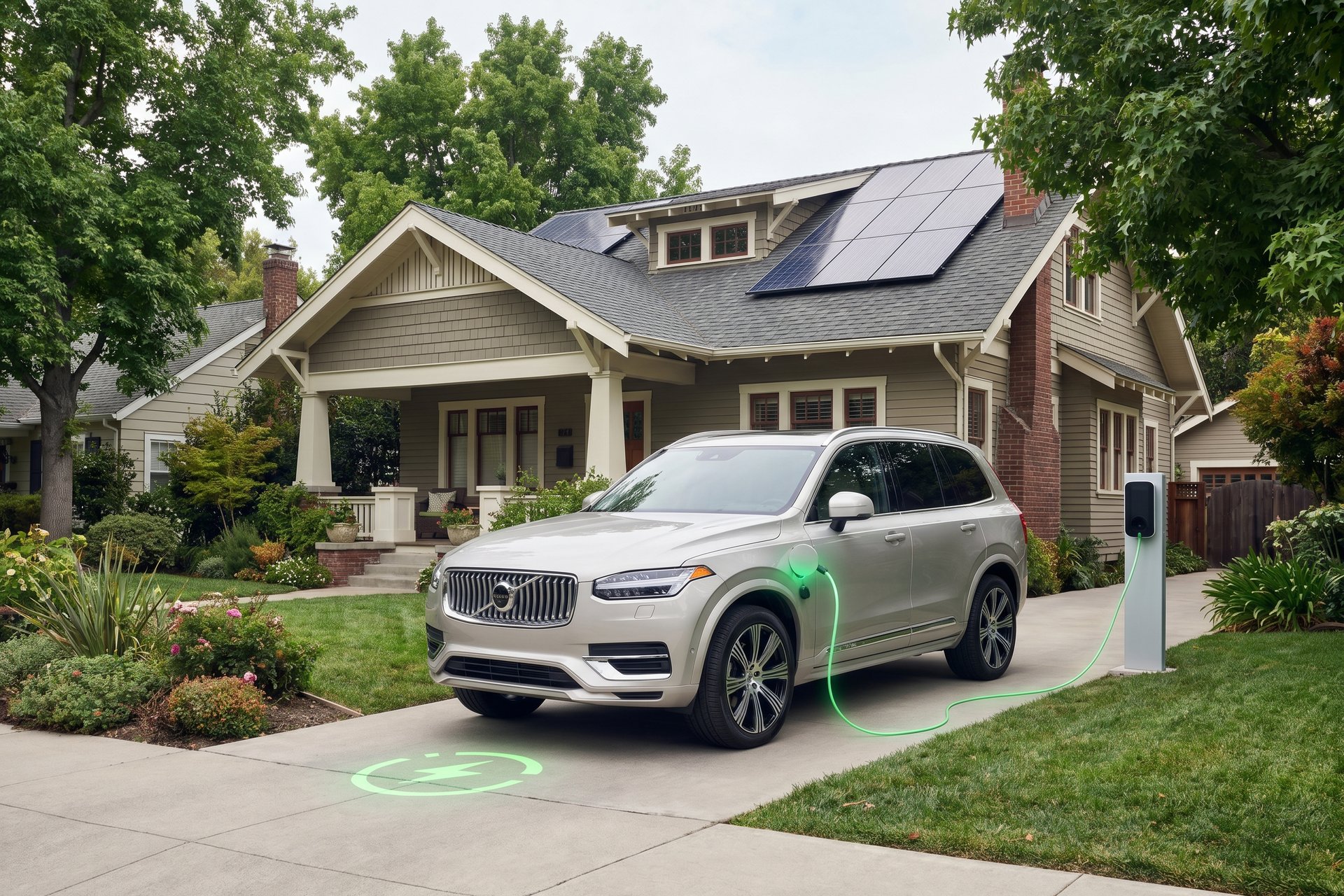

To charge or not to charge? It’s been an age-old question among plug-in hybrid drivers, with some urgency around it given the recent spikes in fuel and energy prices.
Toyota sought to answer the question with a study that found drivers of its RAV4 connect to chargers on seven out of every 10 days of driving, and Lexus NX 450h hybrid drivers charge eight to nine times in a 10-day period.
The study found only 9% of Toyota drivers and 4% of Lexus drivers said they rarely plug in.
“The ability for drivers to choose what can power their car makes a whole lot of sense these days,” Toyota said. “The average cost per kilowatt-hour of electricity at home is 18 cents nationally making it cheaper to go 40 miles on plug power than the gas pump.” The USA TODAY Cars team took a closer look at the advantages of operating your plug-in hybrid on electric power.
What’s the Difference Between a Regular Hybrid Car and a Plug-in Hybrid?
Plug-in hybrid electric vehicles, or PHEVs as they are sometimes referred to, usually have a significantly larger battery pack that allows the car to be operated on electric power for stretches of time that can last about 40 to 50 miles, according to Edmunds. A plug-in hybrid drives like a fully electric car until the battery gets low, then switches to gas power until the battery is recharged.
Plug-in hybrids have been seen as a compromise option for people who want to experience electric driving, but are not ready to commit to driving a fully electric car.
The catch is that for plug-in hybrids to be most effective, they need to be charged regularly like a full EV. Some drivers may not know that and operate their plug-in hybrid like a regular hybrid car, which also switches between gas and electric power but doesn’t have a charging option.
Most regular hybrids have batteries that get their power from regenerative braking, according to Edmunds.
Why You Should Consider Charging Your Plug-in Hybrid Car
Edmunds said “charging daily is the ideal and most efficient way to use a plug-in hybrid.”
“If your PHEV is charged daily and driven within the electric range limit, trips to the gas station can be rare,” the website said.
Additionally, Edmunds said plug-in hybrids generally have smaller batteries than fully electric cars, making them often easier to charge.
“Fortunately, since a plug-in hybrid battery is a lot smaller than an electric vehicle’s battery pack, you can use the charging cord that comes with the vehicle and plug it into a regular 120-volt outlet (the same type that powers and charges most home electronics),” the website said.
“This is referred to as Level 1 charging,” Edmunds continued. “You can also opt for a quicker-charging Level 2 home charger that uses a 240-volt outlet, but you’ll have to pay for a charging station and, in some cases, for the installation of the 240-volt outlet.”
Reporting by Keith Laing, USA TODAY / USA TODAY. USA TODAY Network via Reuters Connect.
Read the full article here