

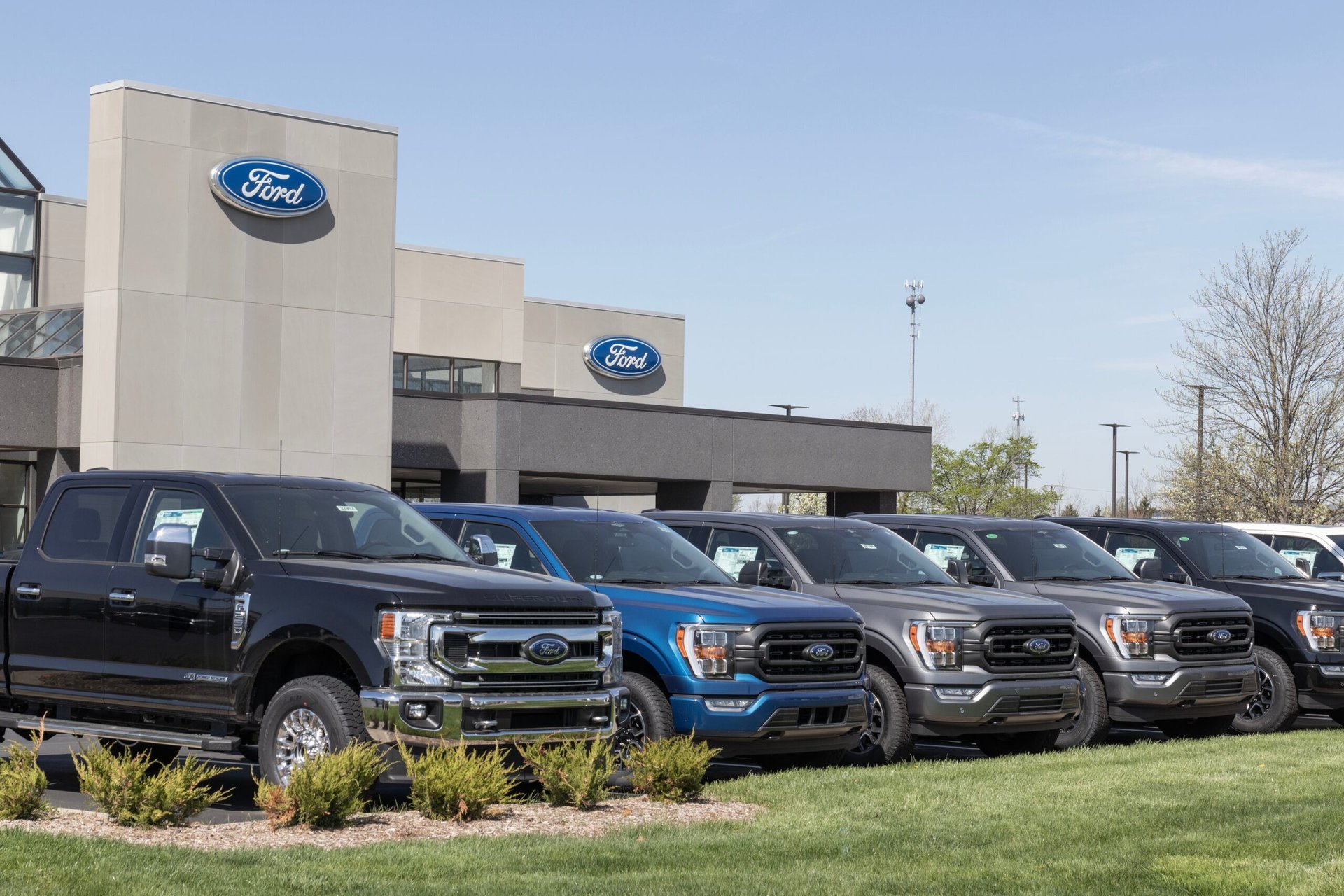

Ford CEO Jim Farley told investors in October that the automaker’s used-car program had made “Ford now the number one certified pre-owned brand in the U.S.”
The program “builds customer loyalty,” he said on the company’s third-quarter earnings call, and Ford found its certified buyers are “50% more likely than typical used car buyers to purchase a new Ford.”
Shoppers are following the label.
Certified sales made up 16.4% of retail used-vehicle sales in October, up from 15.6% in September, while the average used car was listed at $27,133, according to Cox Automotive.
Yet fewer than one in three shoppers open to certified cars say they know exactly how those cars differ from ordinary used ones, a Cox survey found.
Certified by whom?
Certified pre-owned has traditionally meant a program backed by the automaker and sold through its franchised dealers.
Dealer groups and third-party companies certify cars, too, and their inspections and warranties can differ considerably, Cox Automotive’s Chris Hardesty wrote in November. Some third-party programs use a separate warranty administrator, limit covered repairs or require service at specific locations.
Fewer shoppers insist on the automaker’s version. Among new-car shoppers open to certified vehicles, 48% prefer a manufacturer program, down from 61% in 2023, according to Cox’s 2026 study.
Neither type is automatically better, Hardesty wrote. Ask who backs the warranty and where repairs can be done before comparing prices.
One brand, two very different certificates
Ford’s program, Ford Blue Advantage, shows how wide the gap can be. Gold Certified is limited to Ford models up to six years old with fewer than 80,000 miles that pass a 172-point inspection, according to Kelley Blue Book.
It comes with 12 months or 12,000 miles of comprehensive coverage and seven years or 100,000 miles of powertrain coverage, Ford says.
Blue Certified accepts any make up to 10 years old with fewer than 150,000 miles. Its comprehensive coverage lasts 90 days or 4,000 miles. Both are sold as certified.
The powertrain clock may have started years ago
How long the coverage lasts matters less than when it began.
Ford’s Gold Certified powertrain coverage runs seven years or 100,000 miles from the date the car’s original new-vehicle warranty started, according to the warranty booklet. On a six-year-old Gold car, that could leave about a year of powertrain protection, and less if the odometer is near 100,000.
Repairs under that certified warranty also carry a $100 deductible per visit, and wear items such as brakes, batteries and exhaust parts are excluded. Other automakers set their own terms, so ask the same questions about any certified car.
A recall may still be open
Dealers are not legally allowed to sell new cars with unrepaired safety recalls, but nothing stops them from selling used cars that have them, Truth in Advertising notes. A certification inspection is not a promise that every recall repair has been done.
Run the vehicle identification number through the National Highway Traffic Safety Administration’s recall lookup before signing, and ask the dealer to finish any open recall first.
Automakers generally fix safety recalls at no charge.
Pay for your own inspection anyway
The Federal Trade Commission recommends paying an independent mechanic to inspect a used car even when a dealer has certified it, and asking for a written report with repair estimates you can use to negotiate. If a dealer will not allow an inspection, the FTC suggests going elsewhere.
The same guidance covers the Buyers Guide dealers must display in every used car they sell. It overrides anything in your sales contract, so any promise about coverage belongs on that form.
A vehicle history report is no substitute, because it typically will not list mechanical problems.
Put a price on the certificate
Certification can add hundreds or thousands of dollars to a car’s price, Hardesty wrote. Compare a certified car with similar non-certified models, then weigh the gap against the coverage you would get and how much time is left on it.
Used prices already run high, and some models keep getting pricier. A newer car can also cost more to insure, so pull car insurance quotes on the exact model before you agree to a price.
The badge is where the questions start
Ford sees certified buyers as future new-car customers. Whether that first purchase pays off depends on what is printed in the warranty booklet and on the Buyers Guide, not on the badge.
Ask for both before talking price, and know the warning signs that mean walk away from a used car.
Read the full article here