


Restaurant prices keep climbing faster than your paycheck. According to the Bureau of Labor Statistics, the cost of food away from home rose 3.6% over the past 12 months, with full-service restaurants up 3.8%.
So what are the big chains doing about it? They’re dangling something that’s been mostly gone for years: bottomless.
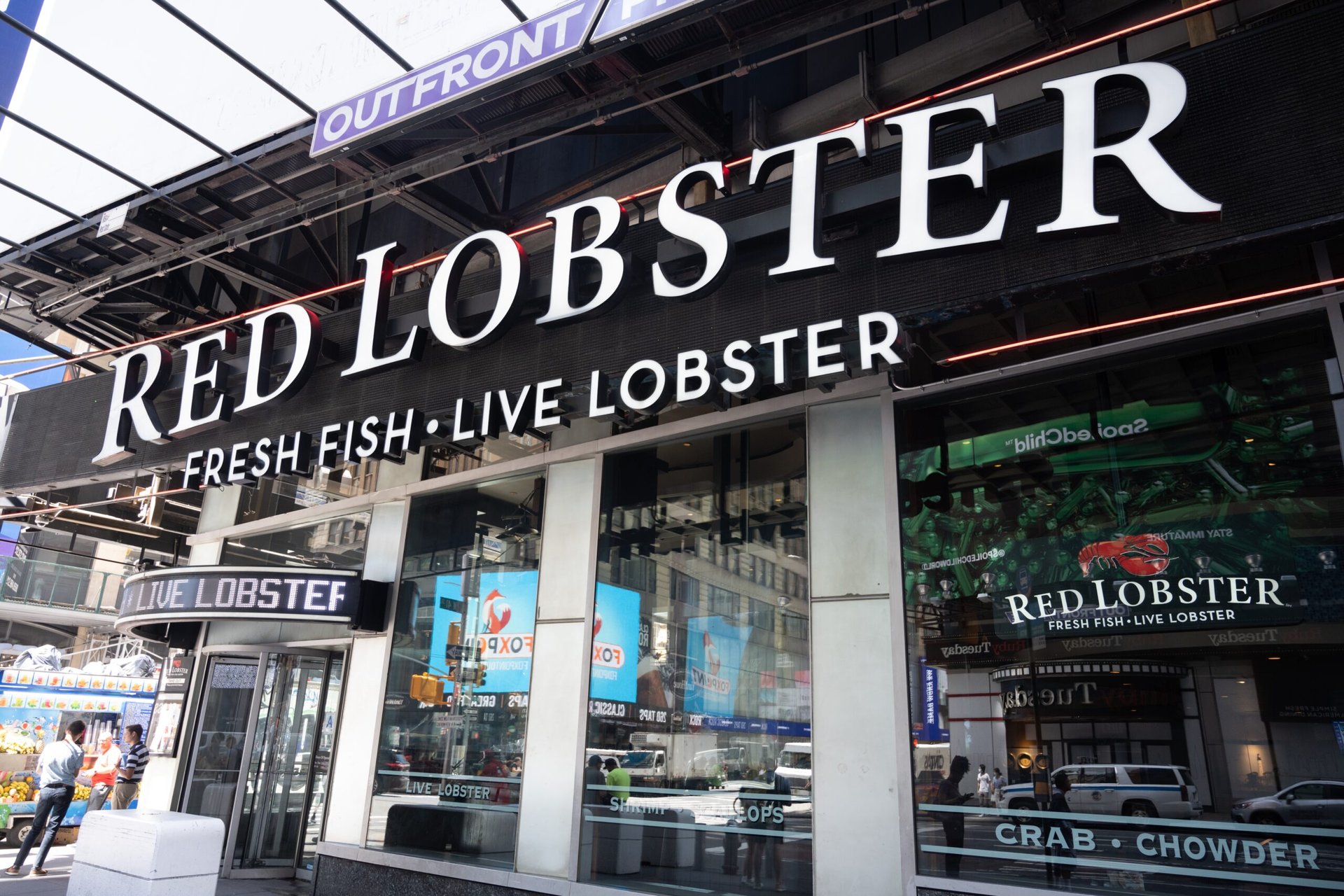
Red Lobster brought back its Endless Shrimp promotion on April 20 — the same deal that helped push the company into bankruptcy two years ago. Applebee’s launched a new All You Can Eat menu on May 11 at $15.99. Olive Garden’s Never-Ending Pasta Bowl runs every fall around $13.99.
Looks like a customer’s dream. It isn’t.
These promos are engineered to make money for the restaurant, not for you. Here’s the good news: Once you know how the game’s rigged, you can rig it back.
Here are eight rules I follow when an “endless” sign goes up.
1. Do the math before you sit down
Every bottomless promo has a break-even point. Cross it and you’re winning. Fall short and you just overpaid.
Take Red Lobster’s deal, currently priced at $25 or $30 depending on location. A Washington Post critic did the math in April: A standard scampi plate runs $19 with 14 shrimp, working out to about $1.36 each. That puts the break-even at roughly 22 shrimp at the higher tier.
Anything past that is profit for you. Run the same math at any bottomless table. Know your number before the first plate hits.
2. Skip the filler — that’s where they make their money
Bottomless promos rely on one simple trick: Surround the expensive stuff with cheap, filling carbs.
Bread. Rice. Potatoes. Pasta. Fried sides. Every one is designed to fill you up before you can dent the pricier items.
At Red Lobster, those famous Cheddar Bay biscuits arrive before you even order. They aren’t a freebie — they’re stomach space rented at a steep cost. Every biscuit you eat is one fewer shrimp you’ll have room for.
3. Hydrate before, sip slow during
Servers know what they’re doing when they keep your glass full. A stomach loaded with water has less room for the food you actually paid for.
The fix: Drink plenty of water before you arrive. Then sip — don’t gulp — during the meal. And skip the soda altogether. Carbonation expands in your stomach and kills your appetite faster than the food does.
This isn’t about gluttony. It’s about not paying $30 to feel full after four shrimp.
4. Time your visit when the kitchen’s slammed
Counterintuitive, but it works: Showing up during peak lunch or dinner rush usually gets you fresher food.
Why? When the place is packed, the kitchen is constantly making dishes. During slow periods, food sits in trays or under heat lamps.
For bottomless deals, slow refills are the kitchen’s quiet weapon. Stretch a 10-minute wait into 20, and you’ll order fewer rounds. Go when the place is humming, not when it’s empty.
Quick aside — most internet financial advice comes from people who weren’t alive during the last recession. I’ve been writing about money for more than 40 years. Want rock-solid advice? Sign up for the free Money Talks Newsletter. Takes 10 seconds. No fluff. No spam.
5. Prioritize the proteins, ignore the upsell
The premium items are why you’re there. Period.
At Applebee’s $15.99 deal, you pick between boneless wings, riblets, and double crunch shrimp — and the fries are unlimited too. That last part is the trap. A single basket of fries can crowd out three rounds of wings.
The proteins are where the savings live. Save your room. Skip the side bait. And don’t even glance at the appetizers and cocktail upsells — that’s where the chain makes its margin back.
6. Mix and match every refill
Most bottomless deals let you swap items between rounds. Use it.
Olive Garden’s Never-Ending Pasta Bowl lets you switch pasta shapes and sauces on every refill. Applebee’s lets you rotate between wings, shrimp, and riblets each time. Red Lobster offers five different shrimp preparations.
Why does it matter? Palate fatigue is real. Eat the same dish twice and your stomach taps out. Rotate flavors and textures, and you can keep going. Variety is your ally — if you use it on purpose.
7. Bring a friend who eats less than you do
Solo dining at an all-you-can-eat is fine, but I prefer dragging along someone with a smaller appetite.
Here’s why: Most of these deals are priced per person and prohibit sharing, and they do enforce it. But there’s no rule against ordering different items and tasting each other’s plates as you go.
You both get more variety. You both pace better. And neither of you commits to a full plate of coconut shrimp that turns out to taste like dessert.
8. Know when to walk away
The biggest mistake at any bottomless table is treating it like a contest you have to win. You don’t.
Eating past full to “get your money’s worth” isn’t a savings strategy — it’s how you blow $40 on antacids and torch a Saturday.
If you’ve cleared the break-even line, you’ve already won. Pay the check, walk out, and let the kitchen wonder how you’re still upright.
The goal isn’t to break the restaurant. It’s to break the trap.
Before your next outing, it’s also worth scanning restaurant rewards programs — many chains have apps that stack extra savings on top of the bottomless deal. And for more on cutting your bill every time you eat out, take a look at “26 Tips to Spend Less When Dining Out.”
The bottom line
Chains don’t bring back endless deals out of generosity. They bring them back because they need foot traffic — and they’ve done the math on how to come out ahead even when you think they’re losing.
Walk in with a plan, and you flip that math. Walk in hungry and emotional, and they win every time.
Read the full article here