



With new cars costing nearly $50,000 on average, you may be looking for ways to keep your existing ride running without breaking the bank on service or repairs.
The U.S. National Highway Traffic Safety Administration says the average age of a car on U.S. roads is almost 13 years old. The older cars get, the more challenging it is to keep them well-maintained.
But more and more people are taking up the challenge, according to a recent analysis from Consumer Reports.
“There was a time when approaching 100,000 miles on a car meant you should start thinking about a trade-in,” the group said in a January 2026 report. “But with proper maintenance and the advancements in automotive technology, Consumer Reports’ survey data shows that cars today can last well beyond that point.”
“Maximizing your car’s longevity comes down to keeping your car well maintained,” the Consumer Reports report continued. “If you follow the manufacturer’s service intervals, a modern car from a brand known for reliability should be capable of 200,000 miles or more.”
The USA TODAY Cars team compiled a list of do-it-yourself maintenance tips recommended by the AAA Auto Club that can help keep your car rolling in tip-top shape for as long as possible.
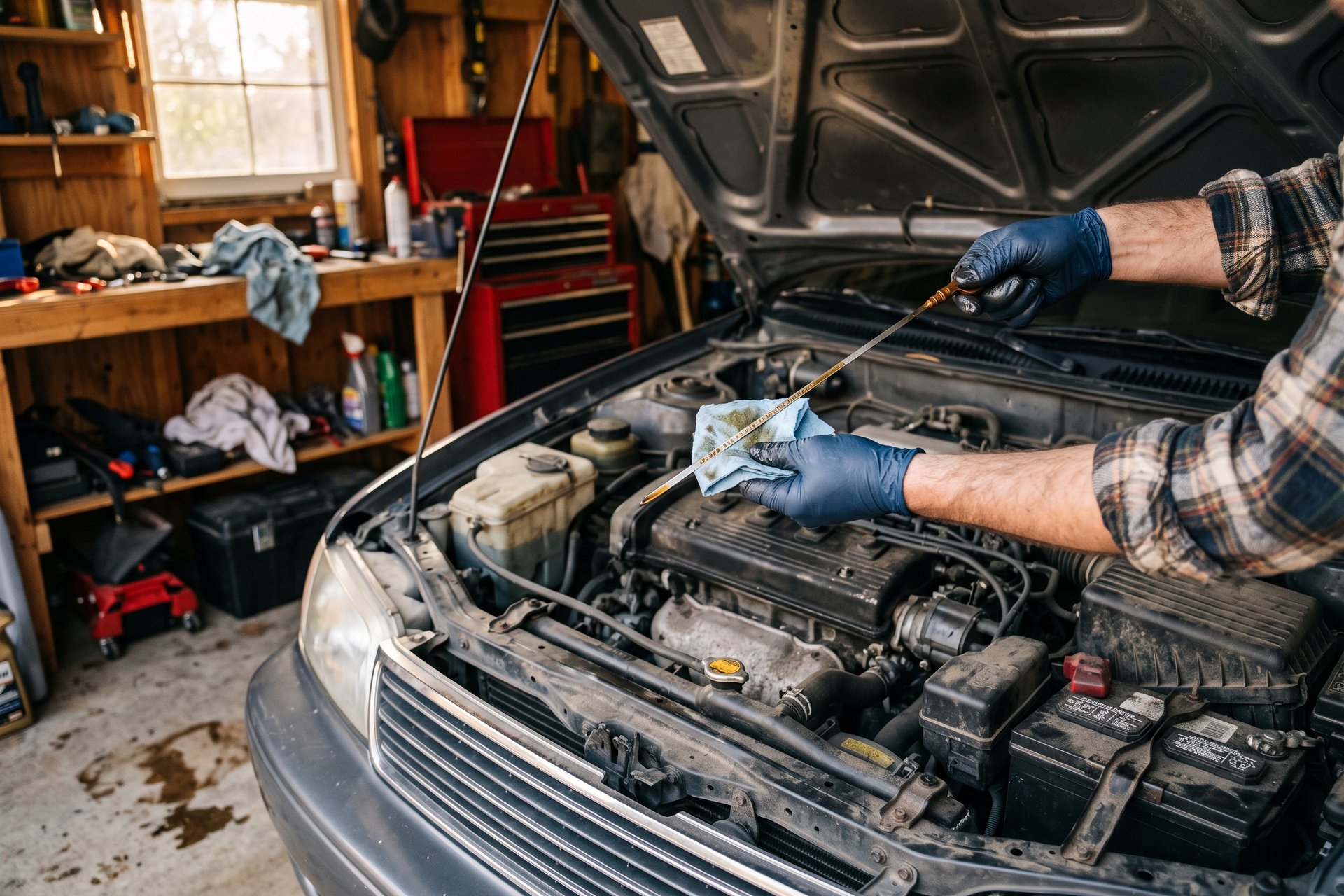
1. Check and Change Your Engine Oil
AAA said that “it takes less than five minutes to get a glimpse into your engine’s health and catch catastrophic problems before they develop.” The group said that “most manufacturers recommend checking your oil level while the engine is cold (meaning you can comfortably touch the engine), but your owner’s manual will offer specific instructions for your model.”
2. Check Your Tire Pressure
AAA said that “under-inflated tires can be dangerous, cause uneven tread wear, and reduce your vehicle’s efficiency.” The group recommends, at least once a month, to “use a pressure gauge to ensure that all four tires are at the manufacturer’s recommended PSI.”
That information can be found “in your owner’s manual or on the information sticker located either on your driver’s side door or where the door meets the frame,” according to AAA.
3. Inspect Your Belts and Hoses
AAA said that “when you check your oil, give your hoses and belts a quick once-over while the engine is cool.”
The group said drivers should “squeeze hoses to make sure they don’t feel crunchy. Look for cracks and for fluid seeping out at connection points. Check belts for fraying and glazing.”
4. Replace Wiper Blades
AAA said that “new wiper blades should be installed every six to 12 months.”
The group recommends “to find the right size, measure both windshield wiper blades—most vehicles have two sizes—or use the wiper reference guide available at most parts stores. When buying online, be sure to select the blades appropriate for your vehicle.”
5. Top Off Your Washer Fluid
AAA said that “washer fluid is vital for proper visibility.”
The group added that “it’s important to buy the fluid that’s best for the climate you live in and to avoid using plain water, which will expand in freezing temperatures and damage the reservoir. To add fluid, pop the hood and locate the washer fluid reservoir. Open the reservoir, and pour the washer fluid in until it hits the fill line. If you don’t have a steady hand, you may find it easier to use a funnel or create one from the spout half of a milk jug.”
Reporting by Keith Laing, USA TODAY / USA TODAY Network via Reuters Connect.
Read the full article here