


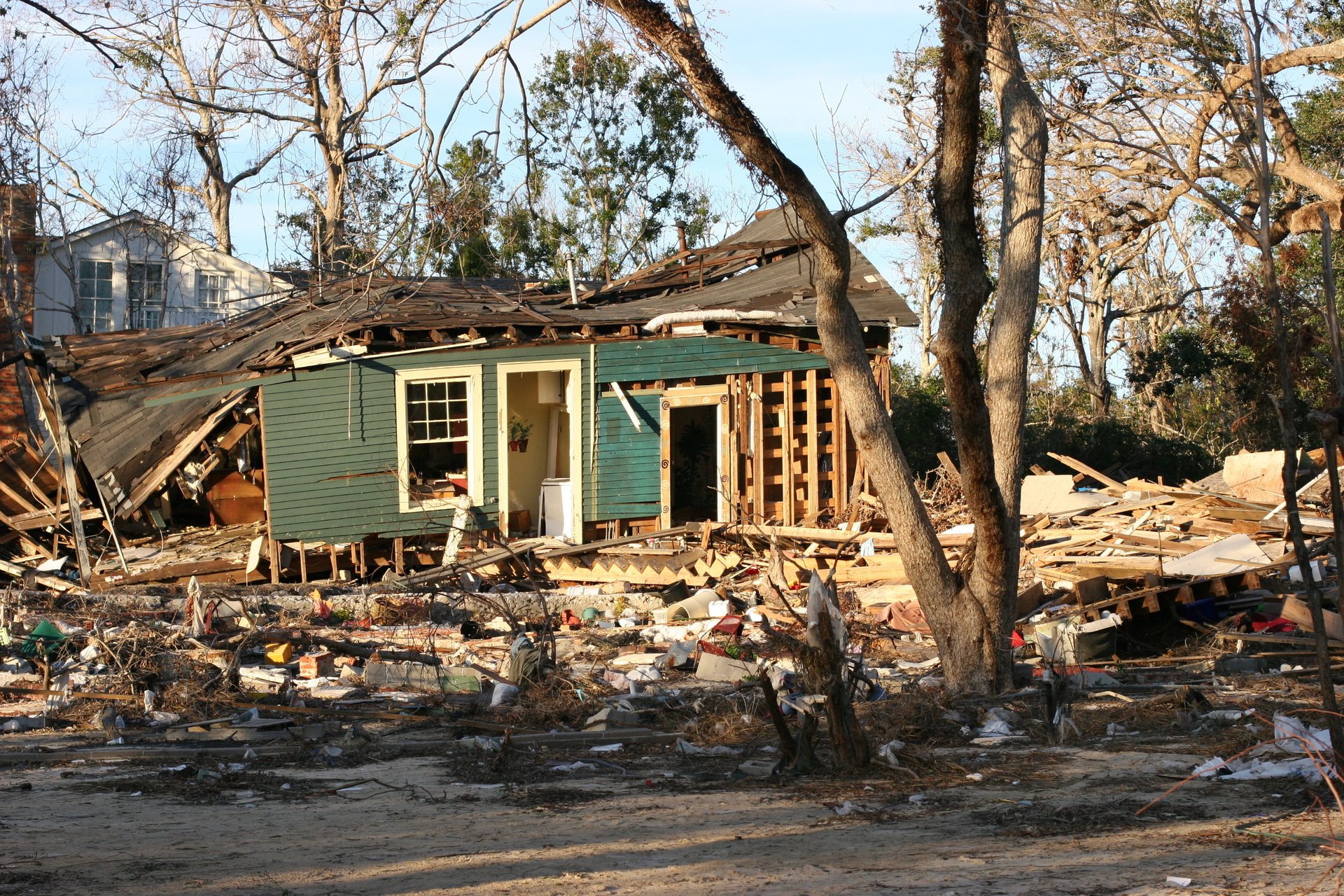

The Los Angeles wildfires that opened 2025 were the costliest insured wildfire event on record, with about $40 billion in insured losses, according to Swiss Re. The same year, U.S. property and casualty insurers posted a $60.9 billion underwriting profit, nearly triple the year before, according to AM Best.
Are insurers cashing in on consumer catastrophes?
Home insurance profitability
Home insurers ran underwriting losses in five of the six years through 2023, and lost money again in 2024, when they paid out about $106 in claims and expenses for every $100 they collected, according to AM Best.
The industry finally turned a profit in 2025, roughly $16 billion, its first in five years, helped by both years of rate increases and a break from hurricanes, since none made landfall in the continental U.S. that year, the first such season since 2015.
Disaster consequences
Insurers responded to years of losses by raising prices to match the real cost of risk and pulling coverage where risk had outrun what they were willing or permitted to charge.
State Farm stopped writing new home policies in California in 2023 and later moved to end tens of thousands of existing ones. Other major carriers stepped back from the highest-risk areas, leaving homeowners in fire- and flood-prone areas with fewer options at each renewal.
The state filled the gap.
California created its FAIR Plan in 1968 as an insurer of last resort for homeowners who cannot find coverage in the regular market. By March 2025, it carried $599 billion in exposure across more than 573,000 policies, with the policy count up 139% since September 2021 and exposure up 259%, according to a state Assembly oversight hearing.
A backstop meant for a small pool of hard-to-insure homes is now one of the state’s largest property insurers.
Consumer policies
A reasonable industry average does nothing for the household whose premium jumped 30%, or the one whose policy was not renewed after 20 years with the same company.
An industry can be profitable overall while your policy feels like a stickup, because the aggregate is an average. Your ZIP code, your roof, your carrier’s exposure and appetite for risk all move your number independently of the national picture.
Where carriers still compete for your business, shopping matters, because insurers price the same risk differently, so a steep increase from one company does not tell you what another will charge. That is why you should shop around rather than letting a renewal roll.
Take 10 minutes today to shave hundreds of dollars off your home insurance. You can compare real-time quotes side by side without dealing with endless spam calls. It is fast, secure, and rated 4.7 stars on Trustpilot. Compare quotes now.
Control what you can
After the 2021 Marshall Fire in Colorado, researchers at the University of Colorado Boulder and the University of Wisconsin-Madison examined nearly 5,000 claims and found that 74% of policyholders were underinsured, more than a third covered for less than 75% of the cost to rebuild.
Underinsurance persisted even among people who had updated their policies, which is why the carrier and policy you choose matter more than the premium alone.
- Ask a contractor what it would cost to rebuild at today’s prices, compare that with your dwelling limit, and confirm you carry extended or guaranteed replacement cost.
- Check the fine print on a plan of last resort. A FAIR Plan policy is narrower than a standard one, and you may need a separate difference-in-conditions policy to fill the gaps.
- Buy flood coverage separately. A standard homeowners policy will not pay for it, and FEMA reports 29% of National Flood Insurance Program flood claims from 2014 through 2024 came from outside the high-risk zones where it is required.
- Insure for the loss you cannot afford to pay out of pocket. If a repair barely clears your deductible, weigh the payout against paying it yourself, and a deductible set at a level your savings can comfortably cover may lower the premium.
Policies are priced for the aggregate and adjusted for individual circumstances, so what is reasonable or even cheap for one household can look expensive for the next.
The industry profit tells you almost nothing about your own policy. What matters is whether it would cover the loss, and that comes down to what it says and the choices you made before you needed it.
Search for the most reasonable home insurance for your household with Insurify and join over 10 million people who have taken back control.
Read the full article here