

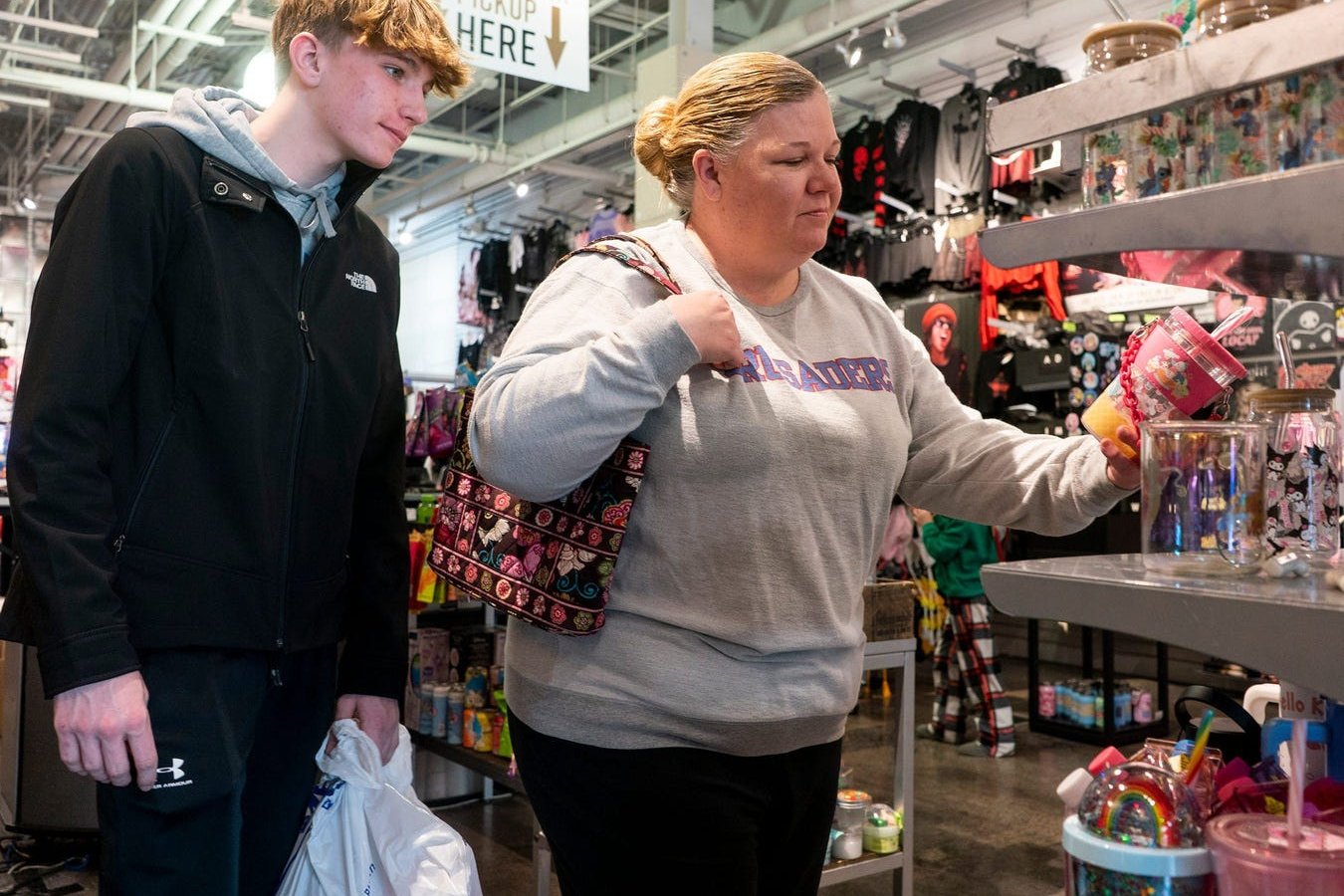

Strained by tighter budgets and product price increases, more shoppers are willing to ditch their favorite brand for a cheaper alternative, a new study finds.
In a survey of more than 1,000 Americans by DOSS, 60% of shoppers said they have dropped a brand they were previously loyal to because of an uptick in price. USA TODAY was given an exclusive first look at the study.
“Rising prices appear to be changing not just how Americans spend, but who they’re willing to spend with,” Sebastiaan Debrouwere, DOSS vice president of business development and marketing, told USA TODAY. DOSS’ products help businesses automate inventory management.
What Price Increase Is Too Much for Loyalty?
Younger, female and lower-income shoppers were more willing to drop their brand loyalty, according to the survey results. Sixty-one percent of Gen Z and Millennials said they had dropped a brand, compared to 58% of Baby Boomers and 57% of Gen Xers.
Women (62%) were more likely than men (56%) to switch brands, while 62% of those earning less than $25,000 said they’d dropped a brand compared to 52% of those earning $100,000 or more.
On average, a 16% price increase was enough to push shoppers away from their favorite brand with the median being a 10% price hike. Baby Boomers said they would switch to a cheaper brand because of a 12% increase while Gen Z and Millennials said it would take a 17% price increase for them to switch.
Among those who switched from a brand they were loyal to, 76% made the switch on groceries, 41% for personal care, 39% for household goods and 39% for dining out.
After dropping the go-to brand, 53% of those surveyed said they switched to a generic version, while 52% said they went to a cheaper name brand and 48% moved to a private label or store brand. Forty-one percent stopped buying the type of product altogether.
In another study released earlier this year by the Kearney Institute, shoppers also said they were choosing cheaper alternatives: 37% of respondents said they substituted for less expensive brands.
Where Are Costs Going Up the Most?
Shoppers surveyed said they were feeling the pain of inflation the most in the grocery category, with 82% citing that as the category with the biggest increases.
Seventy-six percent of respondents cited gas and fuel while 46% said rising utility costs sparked the most sticker shock. Forty-two percent said dining out and takeout had increased most for them.
Respondents also shared the parts of their budget they have cut back on in the past few months. The top category was dining out and takeout (62%), followed by vacations or travel (48%) and 47% cutting back on entertainment and concerts. Forty-four percent said they’d cut back on social outings and date nights, while 38% said they pulled back on both hobbies and personal interests and higher-quality or healthier groceries.
“Overall, consumers are becoming significantly more intentional when it comes to their discretionary spending,” said Debrouwere.
Betty Lin-Fisher is a consumer reporter for USA TODAY. Reach her at [email protected] or follow her on X, Facebook or Instagram @blinfisher and @blinfisher.bsky.social on Bluesky.
Read the full article here