




Starter homes have become increasingly scarce around the country relative to pre-pandemic inventory levels, though some metro areas around the country have a bigger supply for first-time home buyers.
A new analysis by Realtor.com found that the national share of starter homes fell from 38.1% of active inventory in August 2019 to 36.2% in August 2026, while starter home prices rose 30.8% in that period from about $260,000 to $340,000.
The report by Realtor.com senior economist Hannah Jones noted that the difference in inventory amounts to a gap of over 21,000 homes that would’ve been starter-priced today if that 2019 share held steady to date. Starter homes are defined in the report as being priced at about 80% of a metro’s median list price. They’re generally smaller and more accessible to first-time buyers or less affluent buyers.
Compared with the pre-pandemic housing market, condos have also taken on a larger role within the starter home segment relative to single-family homes.
BABY BOOMERS ARE POISED TO UNLEASH MILLIONS OF HOMES – BUT THERE’S A CATCH FOR FIRST-TIME BUYERS
In August 2019, condos comprised 18% of starter-price inventory around the country, with the rest being single-family homes.
That figure rose to 20% by 2022 and continued to increase to 27.1% of starter homes being condos or town homes in August 2026.
The 100 largest metro areas in the country saw significant differences in terms of how the share of starter homes in their respective markets evolved from 2019 to 2026.
MORE HOMES, MORE PRICE CUTS – BUT BUYERS STILL AREN’T BITING AS MORTGAGE RATES CLIMB
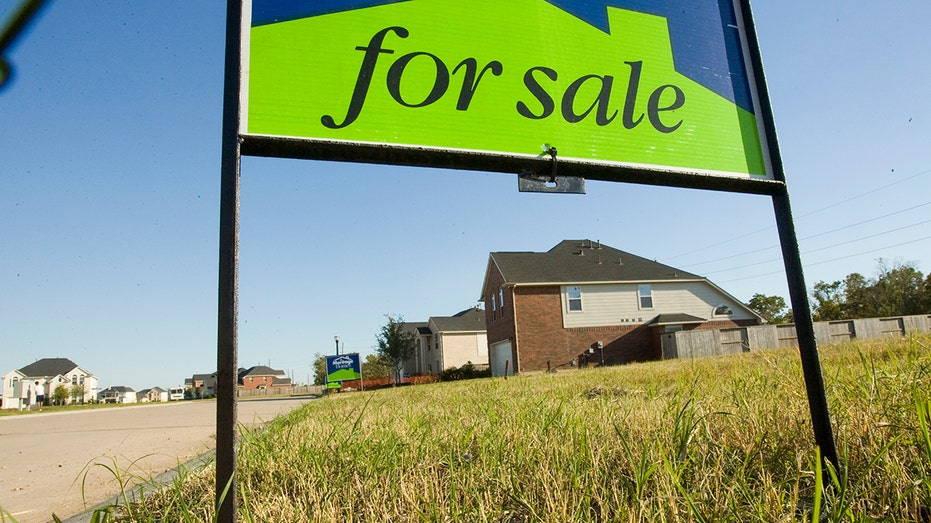
While the share of starter homes has declined in the housing market nationally since 2019, some metro areas have seen gains since then.
Boise, Idaho, saw the largest gain in the share of starter homes in the metro area’s housing market, with an increase of 4.7% from August 2019 to August 2026.
The second-largest gain among the top 100 metro areas was in Portland, Oregon, and Vancouver, Washington, with an increase of 4%.
Rounding out the top five largest gains in starter home share were Des Moines, Iowa, with 3.7%; San Jose, California, saw an increase of 2.9%; and Denver, Colorado, with a 2.5% gain.
BUYING A NEW HOME IS NOW CHEAPER THAN AN EXISTING ONE IN MANY MARKETS
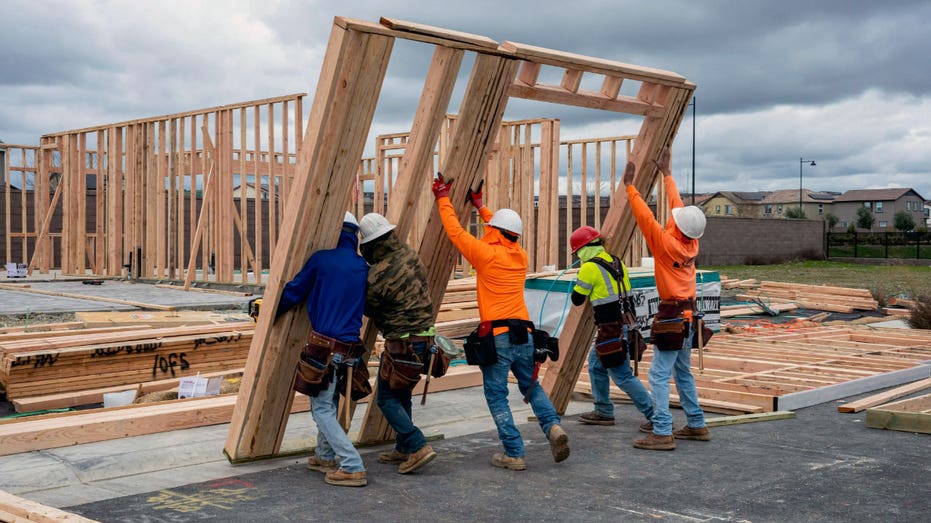
Metros in the Sun Belt region haven’t seen starter home inventory recover to pre-pandemic levels, with several leading the list of biggest declines through 2026.
The Columbia, South Carolina, metro saw its share of starter homes decline by 8.3% from 2019 to 2026, marking the largest percentage decline in the country over that period.
Winston-Salem, North Carolina, saw a decline of 7.5%, while Cape Coral and Fort Myers, Florida, fell 6.9%; and Augusta and Richmond County in Georgia and South Carolina fell 6.5%.
CLICK HERE TO DOWNLOAD THE FOX NEWS APP
The only metro outside the South that ranked in the top five largest declines in starter home inventory was Fresno, Caliornia, where it declined 6% – equaling the decline in Greensboro and High Point, North Carolina.
Read the full article here