


A recent Pew Research Center survey finds that 71% of U.S. homeowners say their home insurance costs have increased over the past few years.
More than 4 in 10 say the increase has been steep. Americans have noticed the same rising bill, but they do not agree on what is driving it.
Democrats and Republicans have different opinions on why premiums have risen, but for all homeowners, the sharper question is whether their coverage still matches the risk.
Homeowners differ on why premiums are higher
Among homeowners whose insurance costs have risen, Pew found that 62% of Democrats and Democratic-leaning homeowners say extreme weather is a major reason. Among Republicans and Republican-leaning homeowners, 34% say the same.
Republicans are more likely to blame government regulation. Pew found that 35% of Republican-leaning homeowners call it a major reason, compared with 20% of Democratic-leaning homeowners.
Pew found that 65% of all homeowners with rising premiums say insurance companies wanting to make more money is a major reason, and 61% point to repair and rebuilding costs.
The rebuild cost is the number to watch
Insurance is not based only on what you paid for your house or what it would sell for today. It is tied to the cost of rebuilding the home after a covered disaster.
When labor, materials and construction costs rise, the insurer’s potential payout rises too. Premiums can climb even for homeowners who have never filed a claim.
A Consumer Federation of America analysis found that the average homeowners insurance premium rose $648 from 2021 to 2024, a 24% increase. By 2024, the average premium had reached $3,303 a year. Premiums rose in 95% of U.S. ZIP codes during that period.
Storm risk is not just a coastal issue
Many homeowners still think of weather-related insurance problems as hurricane or wildfire issues. Severe thunderstorms have made that view outdated.
Severe convective storms include wind, hail and tornado-related damage. They have become one of the costliest categories for insurers. Swiss Re Institute said severe convective storms caused $51 billion in insured losses globally in 2025.
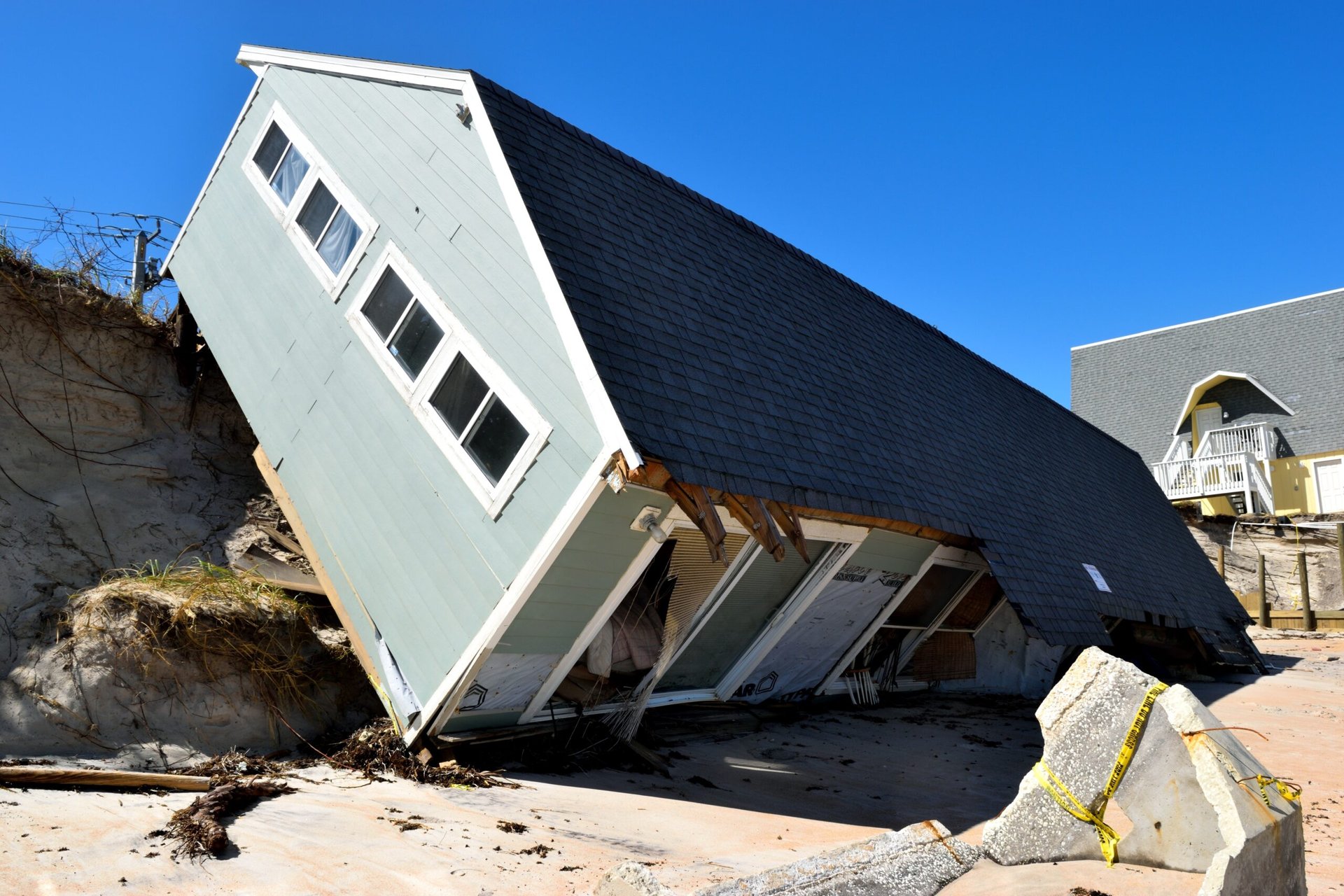
That damage does not require an ocean view. Hail damages roofs in minutes. Wind knocks trees into houses. Heavy rain exposes leaks that homeowners did not know they had. Those losses become claims. Claims become pricing pressure. Pricing pressure shows up at renewal.
Some homeowners are going without insurance
Pew found a sharp income gap in coverage. Among lower-income homeowners, 17% report having no homeowners insurance. Among upper-income homeowners, the figure is 2%. That gap hits older homeowners especially hard. Many live on fixed incomes and own homes that represent their largest asset.
Once a mortgage is paid off, a lender may no longer require homeowners insurance. Dropping coverage can look like a way to make the monthly budget work. But one disaster can wipe out years of careful saving. A fire, storm, burst pipe or tree through the roof can leave a homeowner with repair bills too large to absorb.
Even without a major catastrophe, one unexpected HVAC, plumbing, or appliance failure could cost you $3,000 or more out of pocket. Protect your finances before disaster strikes. Check your eligibility for a Choice Home Warranty now.
Rising premiums can hide coverage problems
Some homeowners respond to rising premiums by raising deductibles, reducing coverage or skipping optional protections. Those choices lower the bill by shifting more risk back to the homeowner.
The first number to check is the dwelling coverage limit. That is the amount the insurer estimates it would cost to rebuild the home after a covered loss. That figure should reflect current local construction costs. It is not the same as market value, purchase price or the amount left on a mortgage.
Homeowners also should check deductibles, especially separate deductibles for wind, hail, hurricanes or named storms. Those details matter after major weather damage.
The real divide is between covered and exposed
Homeowners may disagree on why insurance costs are rising, but they are united by the same problem: premiums rising while the coverage may not be keeping pace.
If the house is damaged tomorrow, how much of the loss lands on the insurer, and how much lands back on the homeowner? It’s better not to ask your existing insurer. Instead, take 10 minutes today to shave hundreds of dollars off your home insurance. Don’t forget to check the coverage details.
 . Don’t forget to check the coverage details.
Read the full article here