

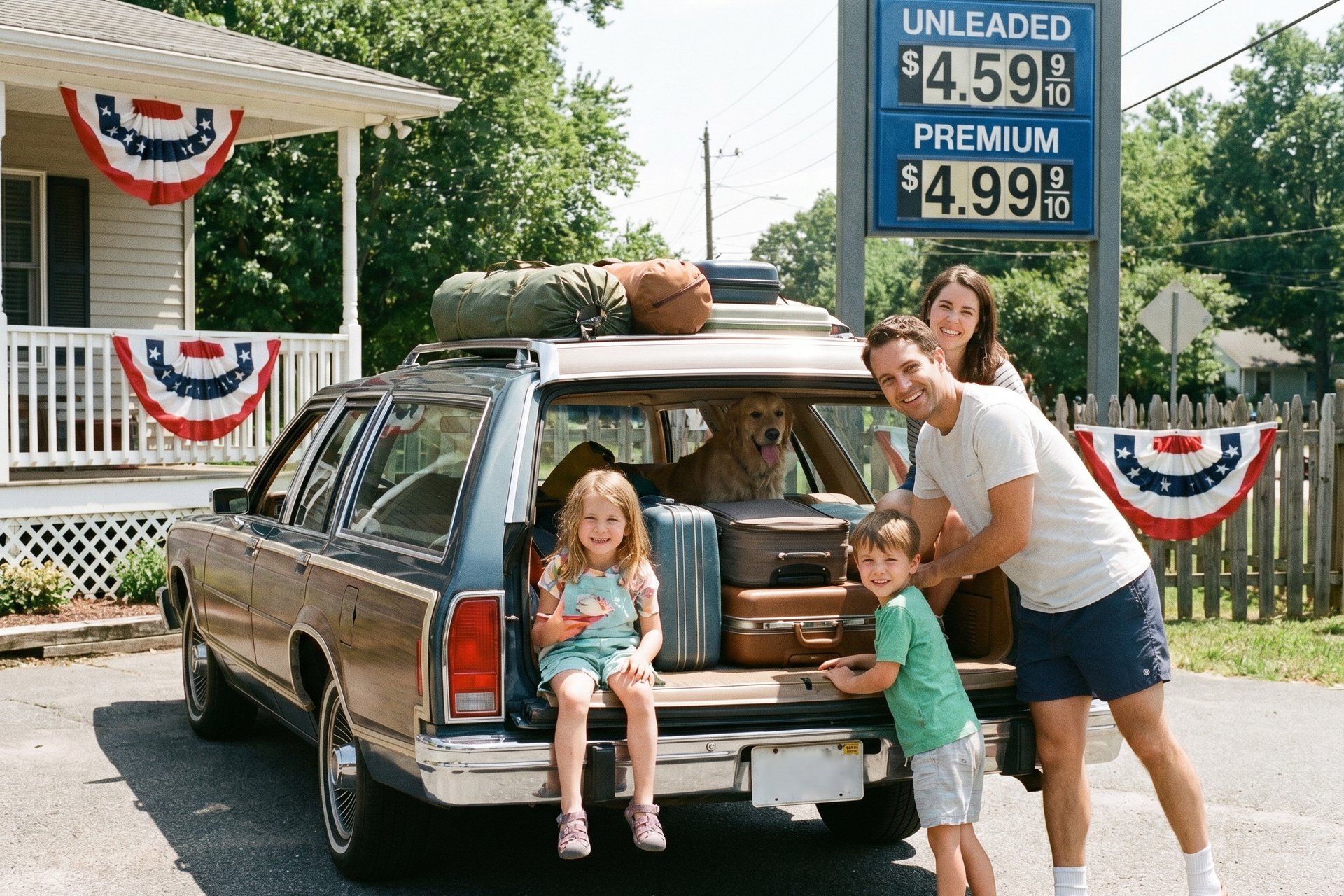

Americans awaiting a three-day weekend and Memorial Day road trips will pay more for gas than they have in four years, but a record number still plan to travel domestically for the holiday.
About 45 million Americans will travel at least 50 miles from home between May 21 and May 25, a slight increase from last year, according to AAA’s domestic travel forecast. Of them, 39.1 million plan to travel by car and 3.7 million will fly, despite soaring gas and jet fuel costs. Most Americans plan on staying close to home this weekend, according to Numerator’s 2026 Q2 Holiday Preview survey.
But even those celebrating at home may end up spending more, as increased prices for beef, tomatoes and drinks drive up the cost of cookouts.
“It’s going to be virtually impossible to avoid price hikes for summer fun, whether that’s a road trip, that’s a flight, a vacation, whether that’s a couple nights in a hotel, or whether that’s a backyard barbecue,” Lindsay Owens, Groundwork Collaborative’s executive director, said. “If you sit inside and watch TV, you’re going to be paying more for your AC.”
What Will Cost Travelers More This Memorial Day Weekend?
One of the most noticeable cost increases travelers will face this weekend will be at the gas pump. The Bureau of Labor Statistics estimated gas prices rose 5.4% in April, after a record 21.2% surge in March following the start of the Iran war. Over the year, gas prices were up 28.4%.
The national average price of a gallon of regular unleaded gas was $4.56 on May 20, according to AAA, up from $4.04 last month and up from $3.18 when travelers were preparing for Memorial Day weekend this time last year.
While drivers will pay more at the pump than they did in 2025, AAA said travelers who booked early may have scored cheaper flights. Still, airline fares rose 2.8% in April and were up 20.7% over the year, the BLS estimated, as oil supply remained strained due to traffic disruptions in the Strait of Hormuz.
Travelers planning to stay at a hotel or vacation rental may also end up paying more, as the BLS said the cost of lodging away from home got 2.4% more expensive in April and rose 4.6% over the year.
“You don’t pay separately for your energy costs when you stay at a hotel,” Owens said. “Hotels are cranking up ACs in the summer, and their energy prices and costs are going to rise, and they’re going to pass that along to consumers.”
What Grocery Staples Will Cost More?
Consumers skipping travel to save money will also face higher costs at the grocery store when preparing for their Memorial Day celebrations. Alcoholic drink prices were up 1.9% and nonalcoholic beverage costs rose 5.1% over the year in April.
Burger patties, a backyard barbecue staple, will likely be more expensive at consumers’ local grocer as the average price of ground beef climbed to $6.90 per pound after beef prices rose 2.7% in April. Over the year, they are up about 15%.
Adding tomatoes to those burgers will also come at a steeper price. They shot up 15.1% in April and have surged about 40% over the year as tariffs, weather and increased transportation costs tied to the war affect farmers’ bottom lines.
John Groton, a sector lead for energy, materials and utilities at Thrivent, said much of the fertilizer farmers used in recent months was secured at lower prices before the war began, but they are now beginning to purchase fertilizer for upcoming crop cycles at higher rates, which could drive food prices even higher in the future.
“And if it’s a lousy harvest for weather reasons and prices are still high in the fall, then 2027 becomes concerning,” Groton said.
What Are Consumers Doing to Score Lower Prices?
Most consumers trying to shop smart ahead of the holiday weekend plan to do so at discount retailers like Walmart, the Numerator survey found, but 45% of those surveyed said they believed rising prices will have an impact on their shopping.
About half plan to seek out promotions, sales or coupons and 35% said they will seek out lower-priced brands.
While shifting to cheaper protein sources and buying local produce in season can help reduce costs, Angela Hanks, The Century Foundation’s chief of policy programs and a former Consumer Financial Protection Bureau official, said, in reality, there isn’t all that much consumers can do.
“Everyone across the country is going to be thinking really hard about can they afford to take that trip? Can they go see their families? Can they take time off?” Hanks said. “I hate to tell people they can’t do that, because they should be able to. They’re sort of in this situation for no fault of their own, but I think that really is the choice that people are faced with.”
Read the full article here