


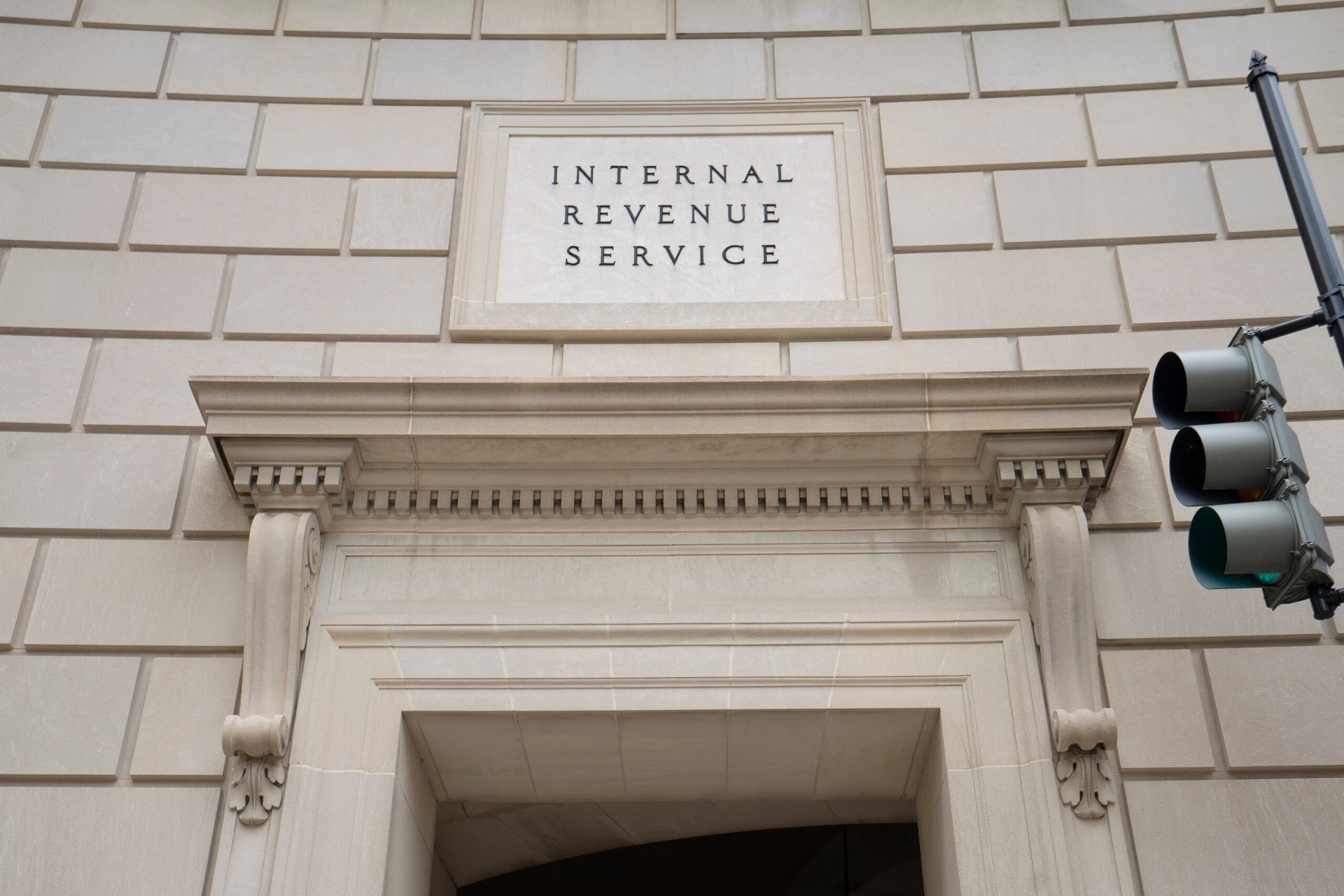

Most taxpayers had a normal filing season in the spring of 2026. The Government Accountability Office found the IRS processed about 98% of the 177 million returns it received, the same share as in 2025, and 95% of returns were filed electronically.
The delays landed on a narrower group: people waiting for a paper refund check.
Those checks took an average of 36 days to issue as of early April 2026, up from 13 days at the same point in 2025, the report says.
The GAO ties the slowdown to the IRS’ move away from paper checks under a 2025 executive order.
What changed at the IRS
Under the order, the IRS began phasing out paper refund checks. As of early May 2026, it had sent about 4.2 million notices asking taxpayers for direct deposit information. Filers who did not respond within 30 days were due a paper check after six weeks.
Staffing fell at the same time. The IRS unit that processes returns ended the season with 8,111 employees, 18% fewer than the 9,850 a year earlier, the GAO reports.
The agency told the GAO that unavailable processing systems and reduced staffing slowed paper return processing, and that losing experienced technology staff delayed the programming needed to move away from paper checks.
The average phone wait more than doubled, from three minutes to eight minutes, and the number of fully staffed Taxpayer Assistance Centers, the IRS’ walk-in offices, fell to 42 from 102. Anyone who planned to settle a refund problem face to face found fewer fully staffed offices to help.
How to stay off the slow track
The IRS says an e-filed return typically produces a refund in about three weeks, while a mailed return takes six weeks or more from the date the agency receives it. A few habits keep a refund in the faster lane:
- File electronically, and enter bank account and routing numbers for direct deposit on the return itself so no notice is needed.
- If you must file on paper, expect the wait to run past six weeks and do not count on the money for a bill due in March.
- Track the return in your online IRS account or the Where’s My Refund tool, which shows the status 24 hours after an e-filed return and about four weeks after a mailed one.
- Open IRS mail promptly and respond to any notice by its stated deadline. The IRS says common errors can delay a refund, and notices are how the agency asks for a fix.
Timing is one question about a spring refund. Size is another, since the large refunds many filers received in 2026 may not repeat in 2027, and filers who miss new tax breaks can shrink the check further.
If you skip direct deposit, the IRS’ process now means waiting six weeks or more for a paper check.
Read the full article here