

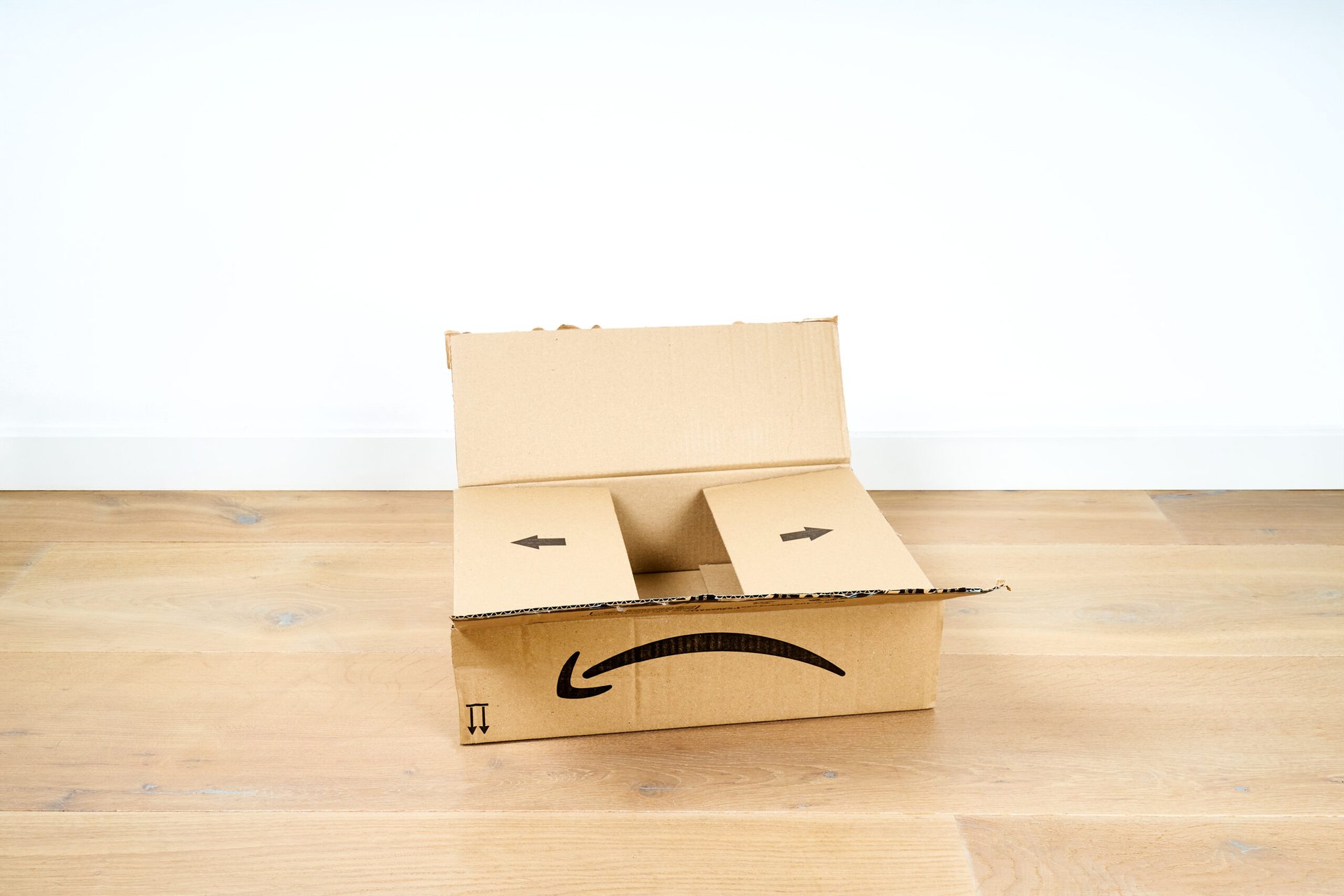

You know shrinkflation. The candy bar that got a little smaller. The cereal box with a little more air in it. The price on the shelf doesn’t move, so you don’t notice you’re paying more for less.
Amazon has been doing the same thing to Prime.
The price hasn’t budged since February 2022, when an annual membership went from $119 to $139. But what you get for that $139 has been shrinking. Piece by piece, Amazon has pulled perks out of the package, then offered to sell some of them back to you.
Here’s what’s gone, and what it costs to get it back.
1. Commercial-free movies and shows
For most of Prime’s history, Prime Video had no ads. Then on Jan. 29, 2024, Amazon started running commercials in movies and TV shows for every member, unless you paid an extra $2.99 a month to make them go away, according to Axios.
Notice how that worked. Amazon didn’t ask whether you wanted ads. It made ads the default, and it made you pay to opt out.
Want the old experience back today? It’s now $4.99 a month, or $45.99 a year, under a renamed add-on called Prime Video Ultra. That’s a 67% price increase in about two years for something that used to come with the membership.
2. 4K picture quality
If you bought a big 4K TV, this one stings. When Amazon launched Prime Video Ultra on April 10, it moved 4K streaming out of the regular membership and into the paid add-on, CNBC reported. Regular Prime members now top out at 1080p.
So Amazon raised the price of skipping ads, then took something away from everyone who didn’t pay it. That’s not an upgrade. That’s a toll booth.
3. Free Whole Foods delivery
After buying Whole Foods in 2017, Amazon made free grocery delivery a headline Prime perk. It didn’t last. Starting Oct. 25, 2021, Amazon added a $9.95 charge to every Whole Foods delivery order, Prime members included, ABC7 reported.
Amazon’s explanation was that the fee covers delivery costs so it doesn’t have to raise grocery prices. Maybe so. But from where you sit, a free perk became a paid one.
A quick nudge — when it comes to money, the best day to get smart was 20 years ago. The second-best is today. Sign up for the free Money Talks Newsletter and start now. Takes 10 seconds, costs nothing, and could change your retirement.
4. Free delivery on smaller grocery orders
Amazon Fresh went down the same road. Prime members used to get free delivery on Fresh orders of $35 or more. In February 2023, Amazon started charging fees of up to $9.95 on orders under $150, the Associated Press reported.
The line has since moved to $100, but smaller orders still pay up to $9.95, according to Amazon’s help page.
Amazon’s fix? A separate grocery subscription: $9.99 a month or $99.99 a year for unlimited delivery on orders over $25, per Amazon. In other words, you pay for Prime, then pay again for what Prime used to include.
5. Sharing with family who don’t live with you
For years, the Prime Invitee program let members share free shipping with people outside their home — a parent across town, a kid in another city. Amazon ended it on Oct. 1, 2025, CNBC reported.
Its replacement, Amazon Family, covers only one other adult plus kids living at the same address. Former invitees were steered toward buying memberships of their own, with a discounted first year as bait, according to CBS News.
That’s one way to grow your subscriber count: Make the people who were sharing start paying.
6. Playing the song you actually want
Remember when you could ask Alexa for a specific song and get it? In November 2022, Amazon grew Prime’s music library from 2 million songs to 100 million, and made most of it shuffle-only, Variety reported.
You can pick an artist, album or playlist, but not the track. Full on-demand listening means paying extra for Amazon Music Unlimited.
Amazon called it an upgrade, and to be fair, you do get far more music. But if you liked choosing what you hear, you lost something.
What Prime really costs now
Let’s add it up. Prime at $139, plus Prime Video Ultra at $45.99 a year, plus the grocery subscription at $99.99 a year. That’s $284.98, more than double the sticker price, before you spend a dime on music.
Not everyone needs all that. If you don’t care about ads or 4K, and you buy groceries in person, $139 still buys fast shipping and a lot of extras.
But understand why Amazon plays it this way. JPMorgan analysts figure a $20 hike would bring in about $3 billion a year, Fox Business reported. Carving out perks and selling them separately raises revenue without the ugly headlines a price hike brings.
It’s the same bet candy makers place when they shrink the bar. Research shows that shoppers tend to tolerate shrinkflation better than a straight price increase, even when it costs them just as much.
And the sticker price may not stay put, either. Amazon just raised Prime prices in Mexico for the first time since 2016, TheStreet reported.
What to do about it
Start by listing the perks you actually use. If it’s mostly shipping, remember that Amazon offers free shipping without Prime on qualifying orders of $35 or more. That’s one of our money-saving tips every Amazon shopper needs to know.
Next, check your statement for add-ons you forgot about. The ad-free upgrade and the grocery subscription both renew automatically. While you’re at it, run through our list of 10 subscriptions to cancel right now.
Finally, make Amazon earn your money. Prime isn’t a lifetime commitment. Our 9 good reasons to ditch Amazon Prime can help you decide whether $139 is still a deal for your household.
I’m not telling you to cancel. I’m telling you to notice. Companies count on customers who don’t.
Read the full article here